
Low Water Level in Your Washing Machine: Causes and Solutions
Low Water Level in Your Washing Machine: Causes and Solutions
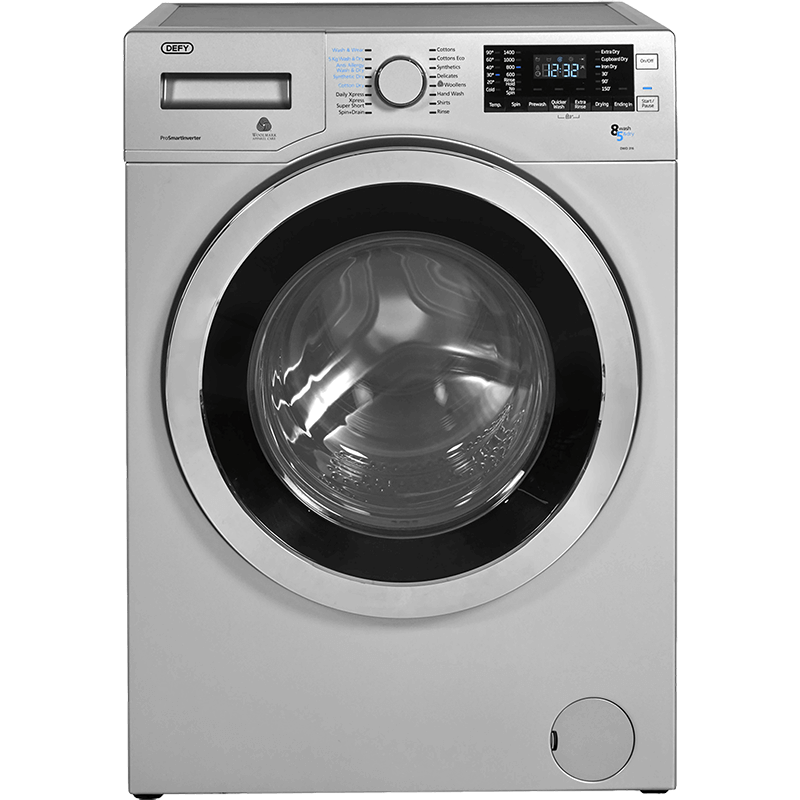
Are you experiencing a low water level issue with your washing machine? This can be attributed to various factors, ranging from the machine’s design to possible malfunctions within the system. Let’s explore the reasons behind a low water level and potential solutions to address the problem.
High-Efficiency (HE) Washing Machine If you own a new high-efficiency (HE) washing machine, it’s important to note that these models are designed to use less water compared to traditional machines. The lower water level in HE washers is intentional and part of their efficient operation. They optimize water usage based on the load size and fabric type, aiming to conserve resources. Therefore, if you have an HE washer and notice a lower water level, it is likely functioning as intended, providing energy and water savings without compromising performance.
Water Inlet Valve The water inlet valve is responsible for allowing water from your home plumbing into the washing machine. It plays a crucial role in proper machine functioning and can be a common cause of low water levels. To locate the water inlet valve, look at the back of your washing machine and trace the hot and cold hoses from the water hookup. The valve is where these hoses meet.
Over time, the screens in the water inlet valve can become clogged with debris, restricting the flow of water into the machine. To address this issue, you can remove the screens and thoroughly clean them. Ensure that you turn off the water before disconnecting any hoses to access the screens. Cleaning the screens should help improve water flow and increase the water level in your washer.
Poor Water Pressure If you have cleaned the screens on the water inlet valve and the water level remains insufficient, it may be due to inadequate water pressure. Most water inlet valves require a minimum pressure of 20 psi to function properly. Check the water pressure to your washer to ensure it meets this requirement. If the pressure is below the recommended level, you may need to address the water supply issue or consult a plumber to improve water pressure.
Malfunctioning Fill Sensor Many washing machines feature a fill sensor that signals the machine to stop filling once the desired water level is reached. However, if this sensor malfunctions, it may continuously signal the control board that the machine is already filled, resulting in a low water level problem. If you suspect a malfunctioning fill sensor, it is advisable to seek assistance from an appliance repair company in your area. They can diagnose the issue and provide the necessary repairs or replacements.
By understanding the potential causes behind a low water level in your washing machine and implementing the appropriate solutions, you can ensure optimal performance and address any water level concerns effectively.